
IRS Issues $162 Million in Penalties Over Social Media Tax Scams - IRS social media tax scams 2025
- Sarah Whitfield
- Sep 9, 2025
- 3 min read
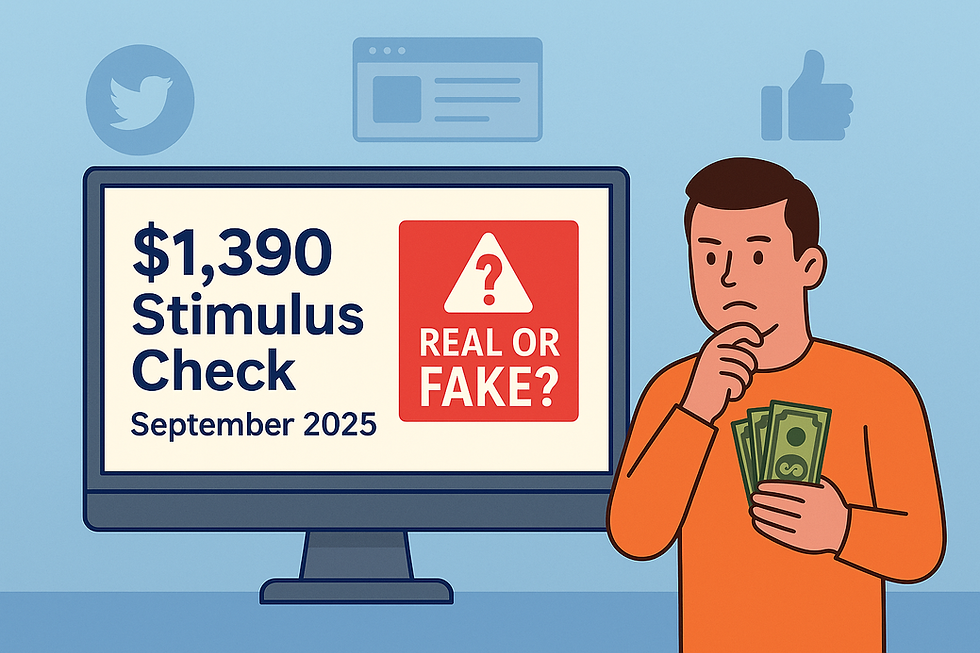
Washington, D.C. (September 2025) — The Internal Revenue Service (IRS) has sounded the alarm after uncovering a wave of fraudulent tax claims spreading across social media platforms. Officials say more than 32,000 taxpayers have been penalized, with penalties totaling $162 million.
The scams encourage individuals to file false returns by misusing credits such as the Fuel Tax Credit and Sick and Family Leave Credit, often promoted through viral posts and misleading “tax hack” videos. IRS social media tax scams 2025

The scams encourage individuals to file false returns by misusing credits such as the Fuel Tax Credit and Sick and Family Leave Credit, often promoted through viral posts and misleading “tax hack” videos. IRS social media tax scams 2025
How the Scam Works IRS social media tax scams 2025
The fraudulent schemes typically promise quick refunds or “hidden credits” most taxpayers supposedly don’t know about.
Posts circulate on TikTok, Facebook, and Instagram, encouraging people to claim credits they aren’t eligible for.
Scammers sometimes pose as “tax professionals” or “refund experts.”
Taxpayers then face IRS audits, penalties, and delayed refunds.
“These social media tax scams are not harmless tips,” said an IRS spokesperson. “They’re illegal, and taxpayers who participate face real financial consequences.”
The Real Cost for Taxpayers
Over 32,000 returns flagged in 2025 tied to social media scams.
$162 million in penalties assessed by the IRS.
Refunds delayed for months as cases undergo review.
One taxpayer from Texas shared their experience:
“I saw a TikTok video claiming I could use a ‘fuel credit’ to get back an extra $2,000. I trusted it — but instead, I ended up with no refund and a $600 penalty.”
Why These Scams Spread So Fast
Experts say the combination of financial stress and viral content makes these scams particularly dangerous.
Millions of Americans rely on refunds for essential expenses.
Short, flashy videos oversimplify tax rules, making misinformation spread quickly.
IRS Response & Crackdown
The IRS has:
Partnered with social media companies to remove misleading content.
Increased penalties for fraudulent claims.
Issued repeated public warnings through news releases and taxpayer alerts.
Officials urge taxpayers to rely only on IRS.gov and licensed professionals for tax guidance.
How to Protect Yourself From IRS Tax Scams
Ignore Viral Tax Hacks — if it sounds too good to be true, it probably is.
Verify Credits on IRS.gov — check official eligibility requirements.
Use Trusted Tax Software — major platforms automatically flag ineligible credits.
Report Suspicious Posts — to both the IRS and social platforms.
FAQs on IRS Social Media Scams
Q1: What credits are most often misused in these scams?
Fuel Tax Credit, Sick and Family Leave Credit, and American Opportunity Tax Credit.
Q2: Can taxpayers really go to jail for following these scams?
Yes. While most face fines, deliberate fraud can lead to criminal charges.
Q3: How can I know if a tax pro is legitimate?
Check the IRS’s Preparer Tax Identification Number (PTIN) directory.
Q4: What should I do if I already filed a false claim by mistake?
Amend your return immediately using Form 1040-X to minimize penalties.
Final Thoughts
The IRS crackdown on social media tax scams in 2025 is a stark reminder: your refund is too important to gamble on viral posts. With penalties mounting and refunds delayed, the safest path is to stick to official IRS resources and trusted professionals.
👉 Stay informed by following our IRS Top Stories section for real updates — not rumors.




Comments